Sustainable Upholstery Materials Guide
Explore our comprehensive guide to eco-conscious materials. Each option offers unique benefits for your home while supporting environmental sustainability.
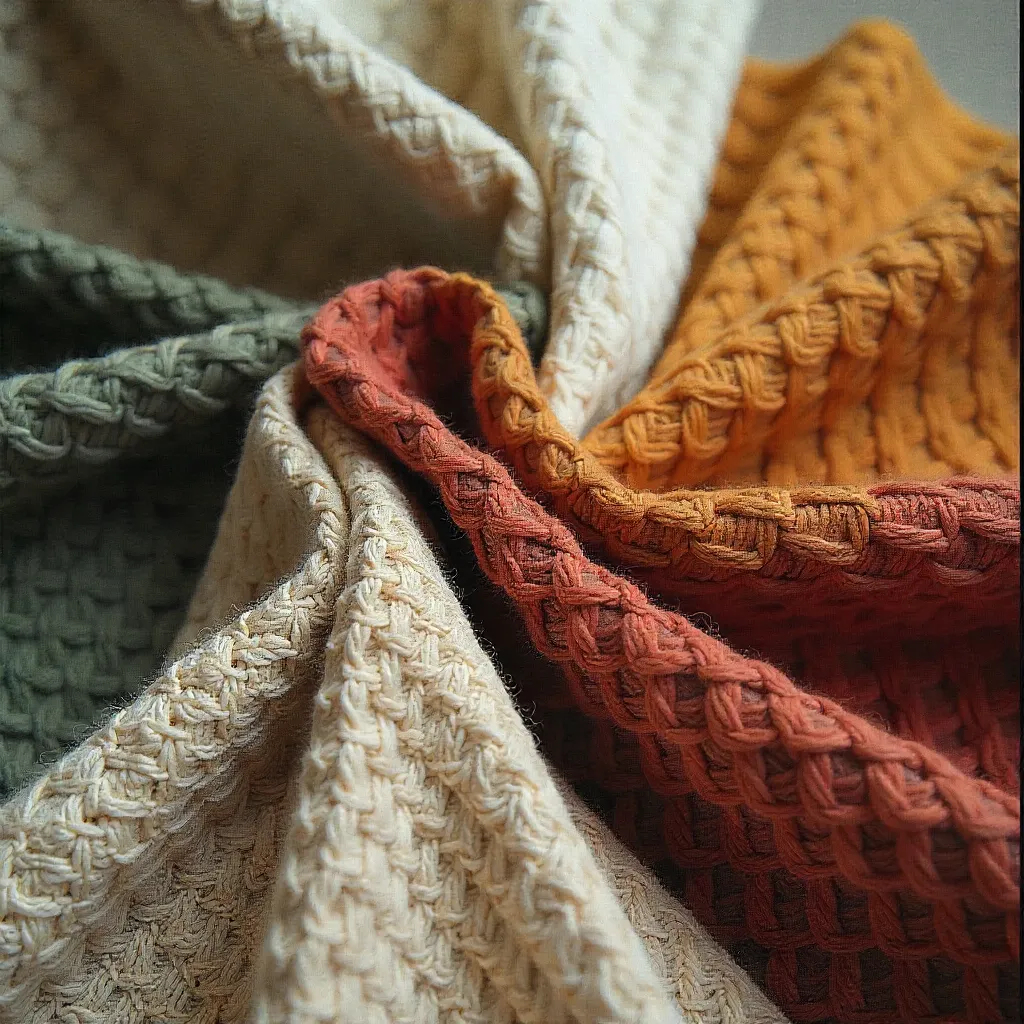
Organic Cotton
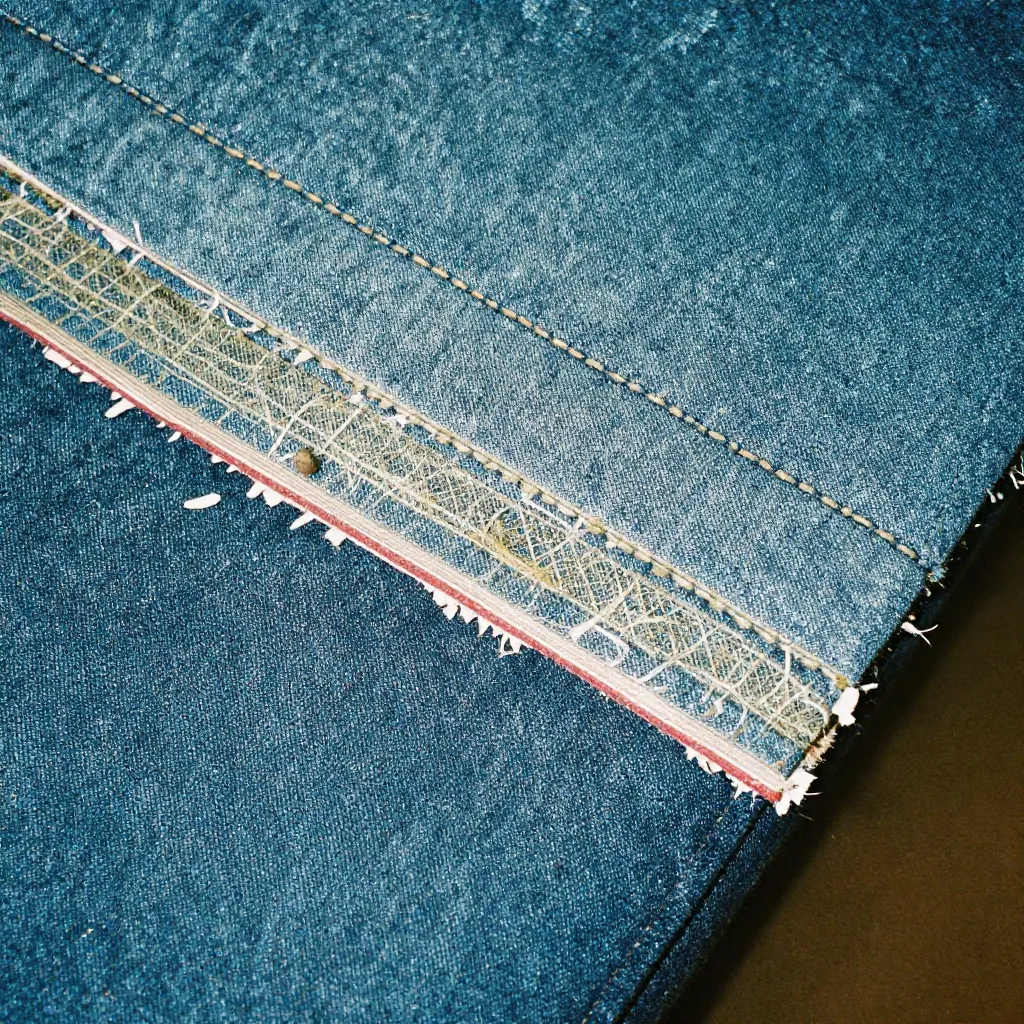
Organic cotton is grown without synthetic pesticides or fertilizers, making it one of the most popular sustainable choices for upholstery. It offers exceptional softness and breathability.
Allergy Considerations
Organic cotton is naturally hypoallergenic and ideal for individuals with sensitive skin or allergies. It doesn't trap dust mites as easily as synthetic materials.
Care Instructions
Machine washable on gentle cycle with mild detergent. Air dry or tumble dry on low heat. Iron on medium heat if needed. Avoid bleach and harsh chemicals.
Hemp Fabrics
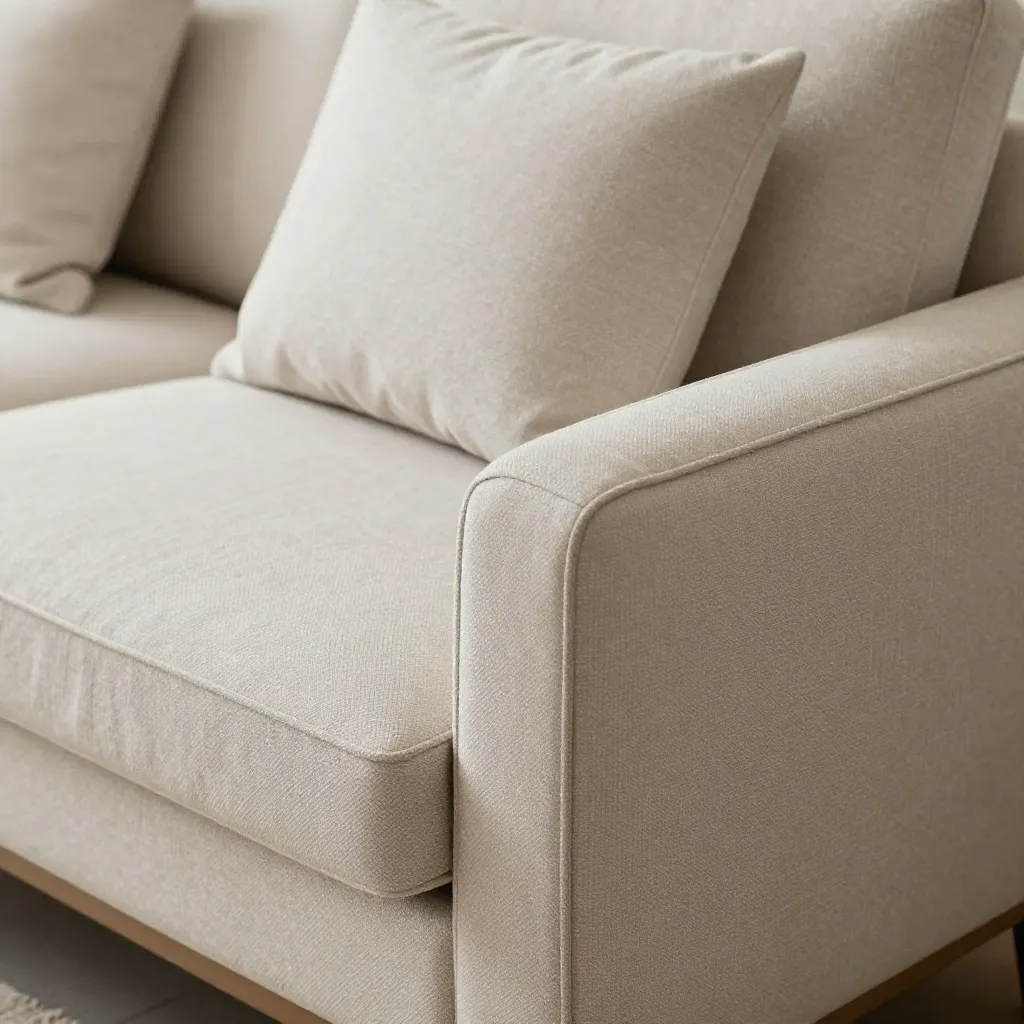
Hemp is one of the strongest natural fibers available. It requires minimal water and no pesticides to grow, making it an excellent sustainable choice for durable upholstery.
Allergy Considerations
Hemp is naturally antimicrobial and resistant to mold and mildew, making it suitable for allergy sufferers. It also repels dust mites naturally.
Care Instructions
Spot clean with mild soap and water. Professional cleaning recommended for deep cleaning. Hemp becomes softer with each wash while maintaining strength.
Linen Blends
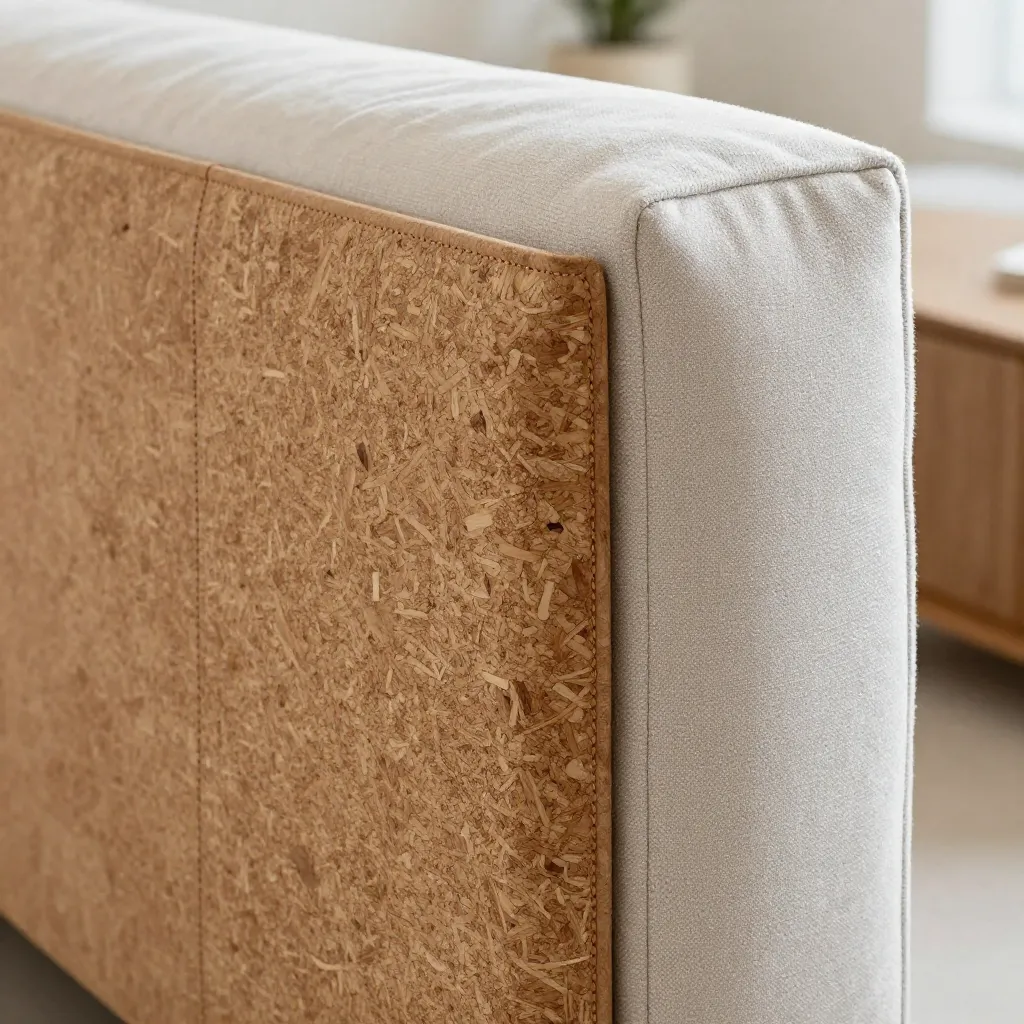
Linen is derived from the flax plant and offers exceptional breathability and moisture-wicking properties. It's naturally elegant and becomes more beautiful with age.
Allergy Considerations
Linen is naturally hypoallergenic and doesn't promote bacterial growth. Its smooth surface makes it easy to clean and maintain.
Care Instructions
Dry clean or hand wash with gentle detergent. Iron while slightly damp for best results. Linen wrinkles naturally, which adds to its character.
Recycled Polyester
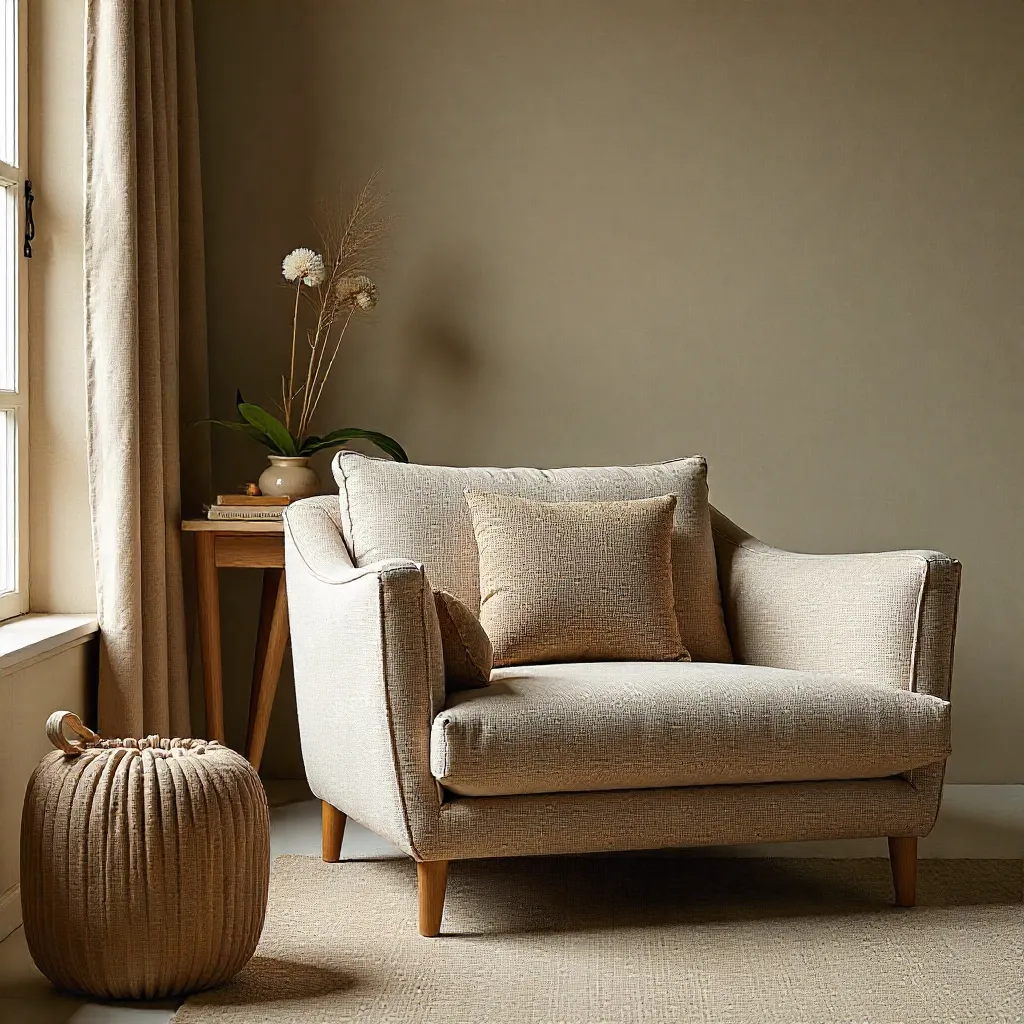
Made from post-consumer plastic bottles and textile waste, recycled polyester gives new life to materials that would otherwise end up in landfills.
Allergy Considerations
Recycled polyester is generally hypoallergenic, but some individuals may be sensitive to synthetic materials. It's easy to clean and doesn't trap allergens.
Care Instructions
Machine washable and quick-drying. Resistant to stains and fading. Can be tumble dried on low heat. Very low maintenance material.
Piñatex & Mushroom Leather
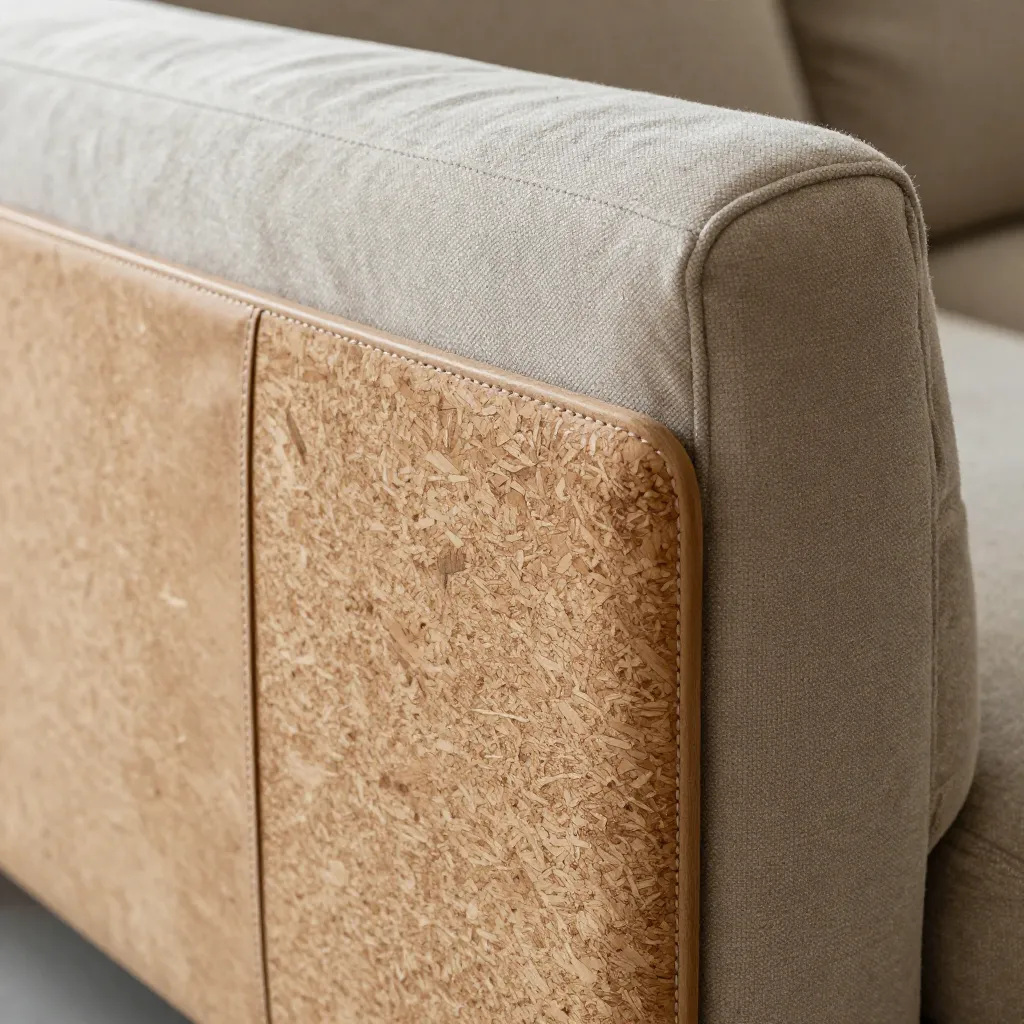
Innovative plant-based alternatives to traditional leather. Piñatex is made from pineapple leaf fibers, while mushroom leather uses mycelium, offering sustainable luxury options.
Allergy Considerations
These materials are naturally hypoallergenic and don't contain animal products or harsh chemicals used in traditional leather processing.
Care Instructions
Wipe clean with damp cloth. Avoid excessive moisture. Professional cleaning recommended. These materials develop a natural patina over time.
Bamboo Fiber Weaves
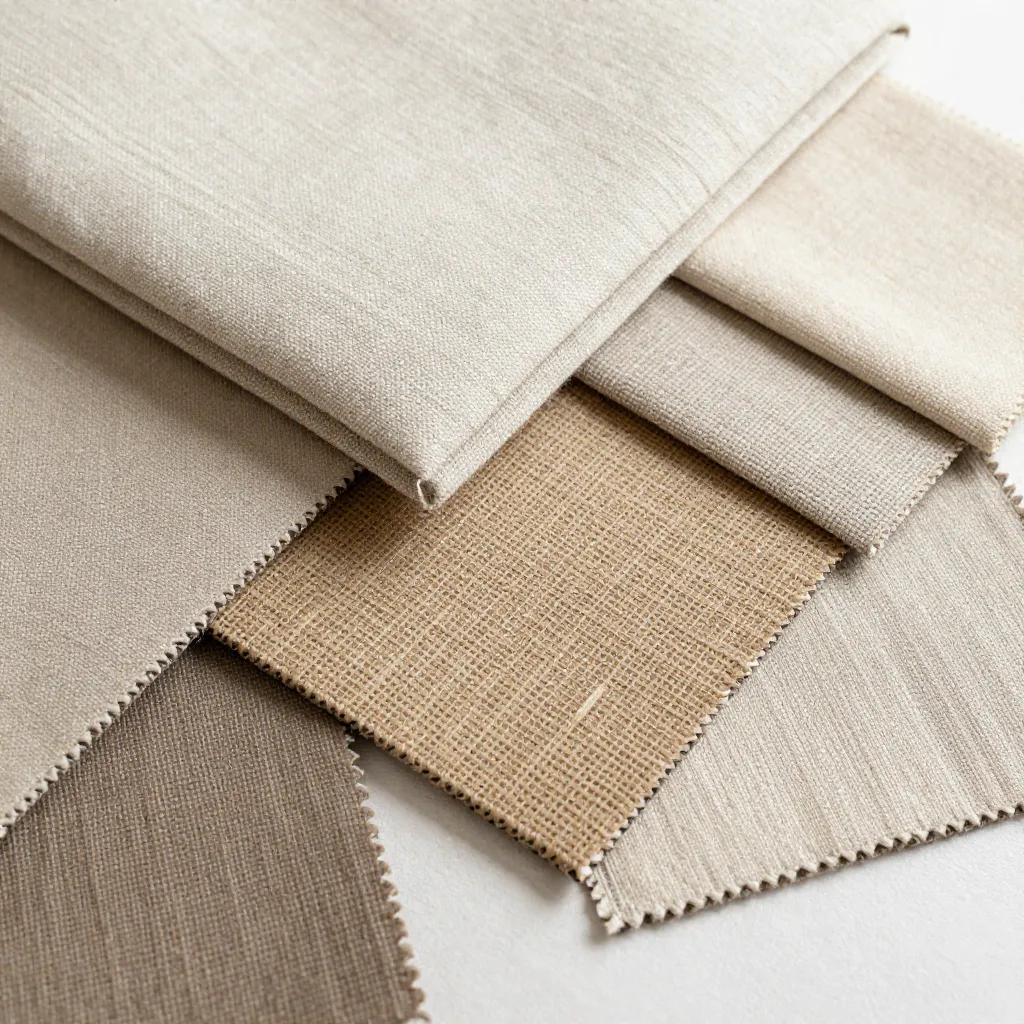
Bamboo grows rapidly without pesticides and requires minimal water. The resulting fabric is incredibly soft, breathable, and naturally antimicrobial.
Allergy Considerations
Bamboo is naturally hypoallergenic and antimicrobial, making it excellent for those with allergies or sensitive skin. It's also naturally odor-resistant.
Care Instructions
Machine wash on gentle cycle with cold water. Air dry or tumble dry on low. Avoid high heat as it can weaken the fibers. Very easy to maintain.
Compare Materials
Use our comparison tool to find the perfect sustainable material for your needs.
Compare Materials